

There are many different reasons for back pain
- Muscle Strain or Sprain Pain: This type of back pain typically results from overexertion, sudden movements, or lifting heavy objects incorrectly. It’s characterised by localised discomfort in the muscles of the back.
- Mechanical Back Pain: Mechanical back pain occurs when there is a problem with the structure of the spine, such as degenerative changes in the discs or joints. It may involve conditions like herniated discs, spinal stenosis, or facet joint arthritis. Symptoms can range from dull aches to sharp, shooting pains, and they often worsen with specific movements or positions.
- Sciatica: Sciatica is a type of back pain caused by irritation or compression of the sciatic nerve, which runs from the lower back down the legs. It typically causes shooting pain, tingling, or numbness that radiates down one leg. Common causes include herniated discs or spinal stenosis.
- Radicular Pain: Radicular pain occurs when a nerve root is compressed or irritated. This can lead to pain that travels along the nerve’s pathway, often into the arms or legs. Conditions like radiculopathy or cervical or lumbar radiculitis are examples of radicular pain.
- Chronic Back Pain: Chronic back pain is defined as pain that persists for 12 weeks or longer. It can result from various underlying conditions, including musculoskeletal issues, degenerative diseases, or unresolved acute injuries. Chronic back pain can significantly impact a person’s quality of life and often requires multidisciplinary treatment approaches.
- Referred Pain: Referred pain occurs when pain originating in one part of the body is felt in another. For example, some back pain may actually be referred pain from abdominal organs like the kidneys, pancreas, or gallbladder. Accurate diagnosis is crucial in such cases.
- Postural Back Pain: Poor posture, whether due to sitting for prolonged periods, using improper ergonomics, or other factors, can lead to back pain. This type of pain is often relieved or prevented through improved posture and ergonomics.
- Inflammatory Back Pain: Conditions like ankylosing spondylitis or certain types of arthritis can cause inflammatory back pain. Symptoms include stiffness, pain, and reduced mobility, and they tend to improve with physical activity and worsen with rest.

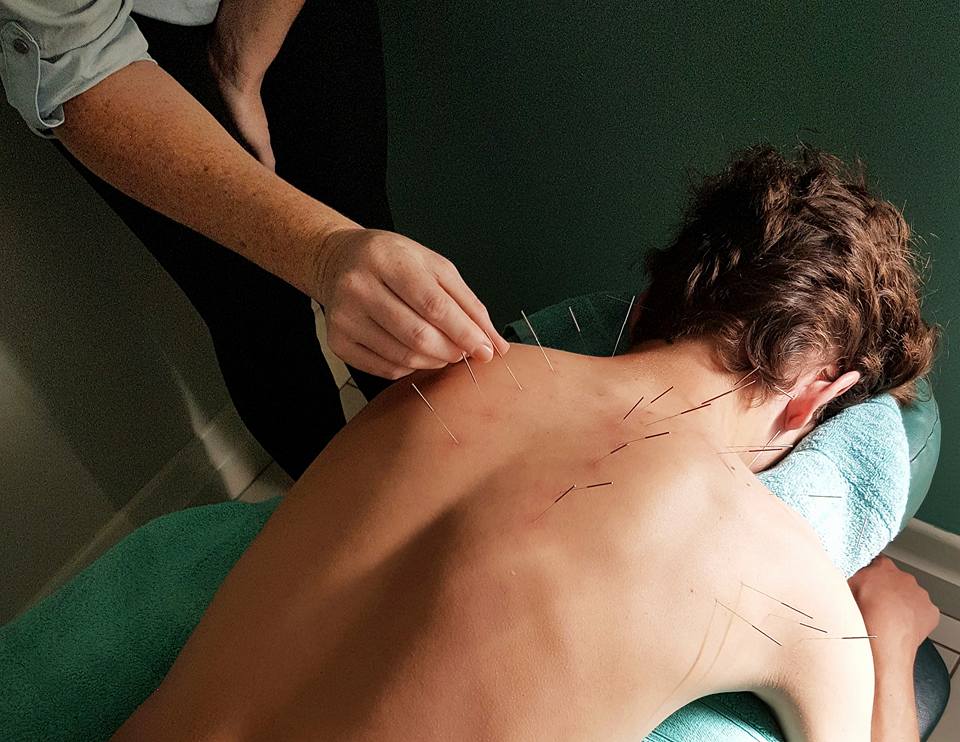
Here’s a brief overview of acupuncture and its potential role in managing back pain:
- Mechanism of Action: Acupuncture is thought to work by influencing the flow of energy, along pathways called meridians. By inserting needles into specific acupuncture points, practitioners aim to balance this energy flow and promote the body’s natural healing mechanisms. In the context of back pain, acupuncture is believed to help reduce pain and inflammation, relax muscle tension, and improve blood circulation.
- Individualized Approach: Acupuncture is known for its personalized approach. Practitioners assess each patient’s unique condition and tailor treatment plans accordingly. Therefore, the effectiveness of acupuncture for back pain may vary based on the specific underlying causes of the pain and the individual’s overall health.
- Integrative Care: Many individuals use acupuncture as part of a broader approach to managing back pain. It can complement other therapies like physical therapy, chiropractic care, and lifestyle modifications to enhance overall pain management and improve quality of life.
- Research on the effectiveness of acupuncture for back pain is mixed. Some studies suggest that acupuncture can provide short-term relief for various types of back pain, including chronic lower back pain, sciatica, and muscle spasms. However, the results vary from person to person, and not everyone experiences significant benefits. Acupuncture may be more effective when usedin combination with other treatments, such as physical therapy or pain medications.
- Acupuncture should always be performed by a trained and registered practitioner who uses sterile needles. Adverse effects are usually minimal and may include mild bruising, soreness, or bleeding at the insertion sites. However, it’s essential to consult with a qualified acupuncturist and inform them about your medical history and back pain symptoms to ensure a safe and tailored treatment plan.
Always consult with your healthcare provide if acupuncture would be beneficial to you.
*Disclaimer – The act of receiving a treatment does not guarantee or imply a result, results vary from patient to patient based on that patients specific condition.
You should always consult with a qualified healthcare professional to ensure treatment options are suitable to you.
All information is from a Chinese Medicine Practitioner perspective.