

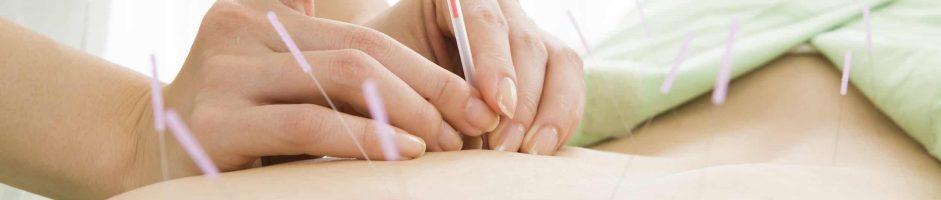
Acupuncture and dry needling are both techniques that involve the insertion of thin needles into the body for therapeutic purposes, difference lies in the underlying philosophies, applications, and the contexts in which they are practiced.
Dry Needling: Dry needling has emerged from Western medicine and is primarily used by other healthcare professionals to treat musculoskeletal pain and dysfunction. Unlike acupuncture, dry needling is not based on traditional Chinese medicine concepts such as meridians and Qi flow. Instead, it focuses on addressing trigger points (also known as myofascial trigger points) that are tight bands of muscle fibers causing pain and discomfort.
- Musculoskeletal Approach: Dry needling primarily targets muscles, tendons, and connective tissues to release tension and alleviate pain caused by muscle knots or trigger points.
- Physiological Mechanism: The goal of dry needling is to stimulate local tissue healing and improve blood circulation, leading to the relaxation of tight muscles and reduced pain.
- Evidence-Based Practice: Dry needling is often based on current scientific research and anatomy. Practitioners use their knowledge of muscle anatomy to target specific trigger points.
- Localised Treatment: Needles are inserted into specific trigger points or tight muscle bands, and practitioners may use various techniques like “pistoning” (gentle up-and-down movement) or “twitch response” (brief muscle contraction in response to needling) to achieve therapeutic effects.
*Disclaimer – It’s important to consult with qualified practitioners to determine which approach may be more suitable for your specific needs and preferences.

Disclaimer – The act of receiving a treatment does not guarantee or imply a result, results vary from patient to patient based on that patients specific condition.
You should always consult with a qualified healthcare professional to ensure treatment options are suitable to you.
All information is from a Chinese medicine practitioner perspective.